Life in the Pantanal is shaped by water, cattle, rivers and stories passed through generations. Ranchers, indigenous communities and river families share a landscape where nature and culture meet.
Pantanal culture has developed around a simple reality: every year the land floods and dries. Homes, cattle, fishing routines and travel routes must adapt to this constant movement of water.
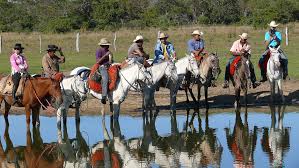
Many families combine small-scale cattle ranching, fishing and seasonal work in tourism or conservation. Boats, wooden bridges and horseback travel are still part of daily life in many areas.
Growing up in this environment means learning to read the weather, understand river levels and listen to the sounds of birds and rain as part of everyday life.
Several indigenous peoples live in and around the Pantanal region. Their languages, dances and stories preserve knowledge about the land, animals and seasons that goes far beyond maps and roads.
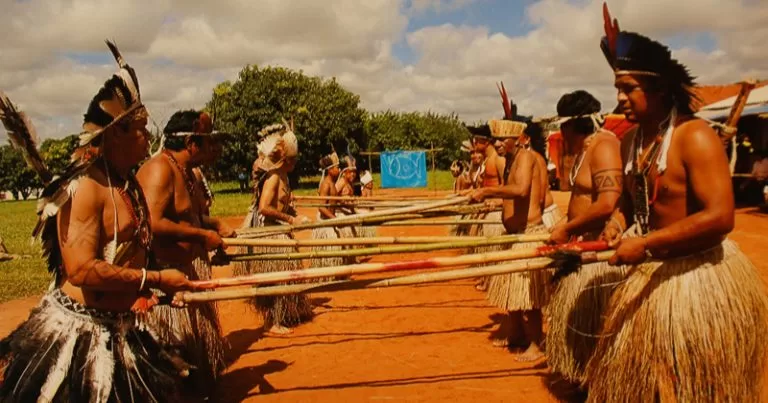
Although each community has its own customs, many share a deep respect for rivers, forests and animals. Ceremonies, crafts and music all reflect this relationship with the environment.
Visitors should remember that cultural experiences are not just “shows”. They are part of living traditions, and participation should always be guided by local rules, consent and fair payments to the communities involved.
Many Pantanal villages are built close to rivers or temporary lakes. Children grow up learning to swim, fish and travel by small boats from an early age. Schools, small shops and churches often sit on slightly higher ground to remain accessible during floods.
Mornings often begin with bird calls and the sound of rainfall on simple roofs. In the dry season, dust from cattle tracks replaces the sound of rain, but the connection with the landscape remains.
For visitors, understanding this rhythm is as important as spotting wildlife. It reveals how people adapt to the same cycles that guide animal movements.
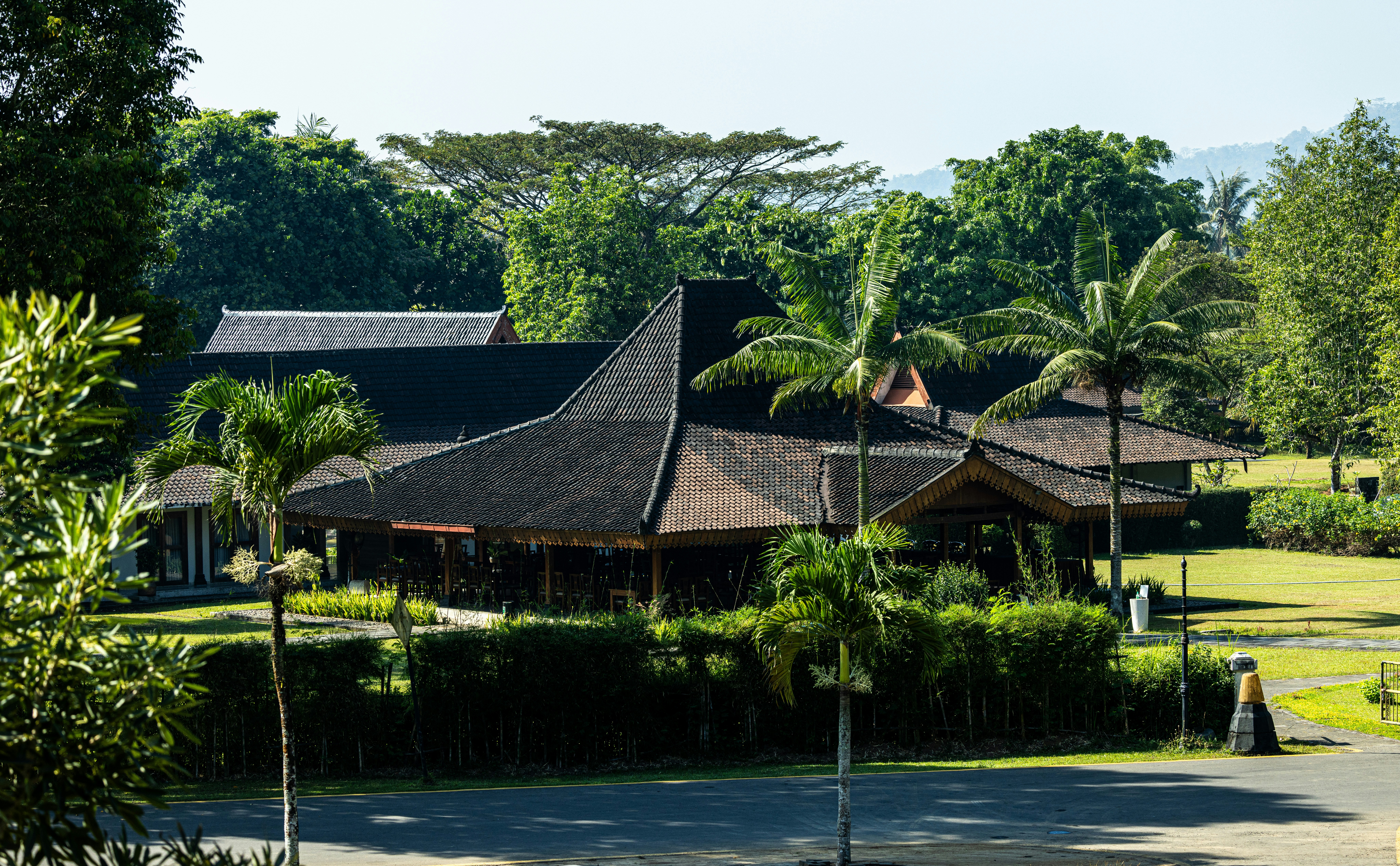
Short films and aerial footage help show how rivers, forests, cattle and small communities fit together in the Pantanal. Watching from above offers a different perspective on daily life and the scale of the wetland.
The video below is an example of publicly available material that visitors might watch when planning a trip. In a real website, local operators could combine this with their own community stories and practical information.
Meals in the Pantanal often feature locally caught fish, rice, beans and homemade breads. Coffee and chimarrão (a type of herbal tea) are common at sunrise and in the late afternoon.
Music ranges from traditional folk songs to sertanejo and regional styles played on guitars and accordions. Evenings at lodges and farms may include storytelling, quiet music and watching the sky fill with stars.
Visitors are usually welcomed in a straightforward, informal way. Respecting house rules, asking before taking photos and learning a few Portuguese phrases all help build positive connections.
To see how cultural elements can be part of a trip, visit the Culture & Horseback Trail Experience on our Tours page.