A closer look at the region, the culture, and the personal story that inspired this project.
I was born in 1976 in Mato Grosso do Sul, a region shaped by the floodplains of the Pantanal. With around 15% native Brazilian heritage, my earliest memories come from a small riverside village where life followed the rhythm of water, birds and rain.
Mornings began with the sounds of macaws, herons and the soft rainfall on our roof. Days were simple: fishing, swimming in the river, watching animals move freely across the land. Nature was not a place we visited—it was the environment that supported our food, culture and identity.
These childhood experiences inspired me to create this website and share the beauty, history and stories of the Pantanal with the world.

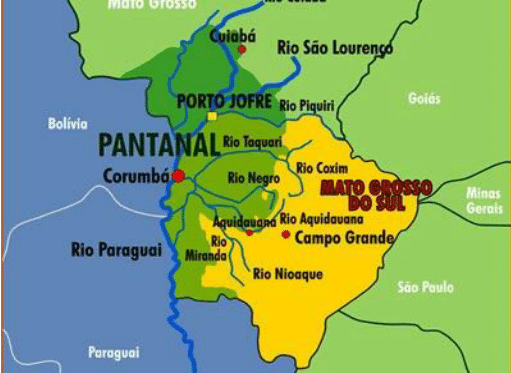
The Pantanal is the world’s largest tropical wetland, stretching across Brazil, Bolivia and Paraguay. Its natural cycle of flooding and drying shapes the environment, creating rich feeding grounds for birds, mammals and fish.
Unlike dense rainforests, the open landscapes of Pantanal allow visitors to observe wildlife more easily. Jaguars, capybaras, giant otters and thousands of bird species depend on this delicate ecosystem.
However, human activity, changes in climate and pressure on local communities mean that responsible, respectful tourism is essential to its future.
Discover Pantanal Brazilis designed to look and feel like a real eco-tourism information website. It brings together travel guidance, wildlife information, cultural insights and sample experiences based on authentic practices in the southern Pantanal.
This web site was created as part of a eco-tourism project, every page is written and structured to reflect how an ethical, community-aware travel site would operate, highlighting:
Pantanal’s culture and biodiversity exist together. Local families rely on cattle ranching, fishing and seasonal work, while indigenous traditions preserve stories, dances and knowledge passed through generations.
Visitors play an important role in supporting this balance. Choosing small-group tours, respecting wildlife distances, listening to local guides, and valuing cultural experiences all help protect the region.
This website encourages slow, responsible travel—allowing nature and people to guide the journey.